

treadmills1497
About treadmills1497
What Freud Can Teach Us About Treadmill For Home
Treadmills in the UK: A Comprehensive Guide
As more individuals focus on physical fitness and wellness, home exercise devices has actually gotten enormous popularity. Amongst these, treadmills stay a top option for lots of physical fitness lovers. This article provides a detailed introduction of treadmills available in the UK, covering types, advantages, crucial features, and popular brands.
The Benefits of Using a Treadmill
Using a treadmill can substantially improve physical fitness levels and contribute to overall health. Here are a few of the key advantages:
- Convenience: Treadmills enable users to exercise in the convenience of their homes, despite weather condition conditions or time restraints.
- Adaptability: They provide various exercise alternatives, consisting of walking, running, and running, making them ideal for all physical fitness levels.
- Controlled Environment: Users can change speed and incline to replicate outside conditions or preserve a steady pace.
- Security: Unlike running outdoors, where one may deal with threats such as traffic or uneven surface, treadmills use a more secure workout environment.
- Tracking Progress: Most treadmills come with integrated screens that track range, speed, time, heart rate, and calories burned, allowing users to examine their efficiency.
Kinds Of Treadmills Available in the UK
1. Manual Treadmills
- Description: These treadmills do not have an electric motor. Instead, they require users to produce power manually.
- Pros: They are typically more affordable, compact, and do not need electrical energy.
- Cons: They might not be as smooth or versatile as electric treadmills.
2. Motorized Treadmills
- Description: These treadmills feature an electric motor that drives the belt, enabling smoother operation.
- Pros: They use higher speed choices and customizable programming for exercises.
- Cons: They can be more costly and might take up more space.
3. Folding Treadmills
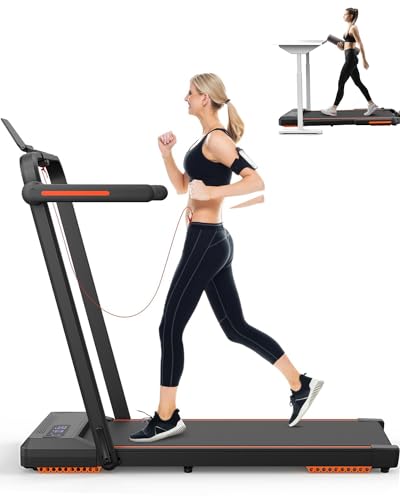
- Description: Ideal for those with minimal area, these treadmills can be easily folded and kept away.
- Pros: Space-saving and portable, often including wheels for simple movement.
- Cons: They might be less long lasting than non-folding designs.
4. Industrial Treadmills
- Description: Designed for health clubs and fitness centers, these treadmills usually have more powerful motors and higher weight capabilities.
- Pros: Very resilient and typically come with advanced functions.
- Cons: Generally, a higher price point and can be bulky.
5. Desk Treadmills
- Description: Equipped with a desk, these treadmills enable users to walk while working.
- Pros: Encourages physical activity throughout the day, perfect for desk jobs.
- Cons: They may have lower speed limits and minimized exercise strength.
Secret Features to Consider When Buying a Treadmill
When choosing a treadmill, purchasers must consider several vital features:
- Motor Power: Measured in horse power (HP), a more powerful motor supports higher speeds and incline settings.
- Belt Size: A bigger belt accommodates a larger stride, dealing with taller people or those who run.
- Slope Options: Adjustable inclines replicate hill running, increasing exercise strength.
- Built-in Programs: Pre-set exercises and adjustable programs can enhance physical fitness regimens.
- Cushioning System: Look for treadmills with innovative cushioning to lower impact on joints.
- User Weight Capacity: Ensure the treadmill can support the user’s weight; this is especially important for commercial designs.
- Foldability: For those with limited space, check if the treadmill can be quickly folded and saved.
Popular Treadmill Brands in the UK
A range of brand names produce treadmills in the UK, each offering unique functions and prices. Here are some of the most popular:

| Brand | Key Features | Rate Range |
|---|---|---|
| NordicTrack | Adjustable incline, interactive touchscreen, various programs | ₤ 500 – ₤ 2,500 |
| ProForm | Built-in exercise programs, iFit compatibility | ₤ 400 – ₤ 1,800 |
| Sole Fitness | High weight capability, durable design | ₤ 600 – ₤ 2,000 |
| Reebok | Compact design, good value for cash | ₤ 300 – ₤ 1,200 |
| Life Fitness | Long lasting, commercial-standard quality | ₤ 1,000 – ₤ 5,000 |
Tips for Maintaining Your Treadmill
To ensure your treadmill stays in optimal condition, consider these maintenance tips:
- Regular Cleaning: Wipe down the surface and eliminate dust and debris to prevent damage.
- Lubrication: Periodically lube the belt to minimize friction and wear.
- Check for Wear: Examine the belt and deck for signs of wear, changing components when essential.
- Secure Cables: Ensure wires and cables are appropriately protected to prevent tripping risks.
- Calibration: Familiarize yourself with the maker’s calibration directions to maintain precision in distance and speed readings.
Regularly Asked Questions (FAQs)
1. How much space do I need for a treadmill?
A dedicated area of around 7-8 feet in length and 3 feet in width is usually suggested to accommodate the Treadmill Brands and permit safe use.
2. Are treadmills appropriate for newbies?
Yes, treadmills appropriate for all fitness levels. Users can begin at a sluggish rate and gradually increase intensity and speed as their fitness enhances.
3. How frequently should I utilize a treadmill for weight reduction?
For efficient weight-loss, a consistent regimen of at least 150 minutes of moderate-intensity exercise each week is advised, which can be accomplished through regular treadmill exercises.
4. Can I view television while using a treadmill?
Yes! Lots of treadmills are designed with holders for gadgets, allowing users to watch TV or use tablets while working out.
5. What is the typical lifespan of a treadmill?
With correct upkeep, the typical life expectancy of a treadmill ranges from 7 to 12 years. Industrial models may last longer due to their robust building.
Treadmills offer an outstanding ways of attaining fitness objectives in the British home. With different types, brands, and includes offered, users can find the right model to suit their requirements and preferences. Whether for walking, running, or running, buying a treadmill can substantially boost one’s physical well-being and make fitness more accessible.
No listing found.